Psychological Safety Training
Help clinical and care staff understand why speaking up matters, what can make it feel difficult and how to raise concerns with more confidence.

Psychological Safety Training
The Psychological Safety Awareness course is a three-hour session designed to give clinical and care teams a shared understanding of psychological safety.
This psychological safety training explores why speaking up is a patient safety issue rather than a personality trait. It helps learners recognise the moment they decide whether to speak up or stay quiet, understand what usually influences that decision and build confidence to raise concerns, even when it feels risky.
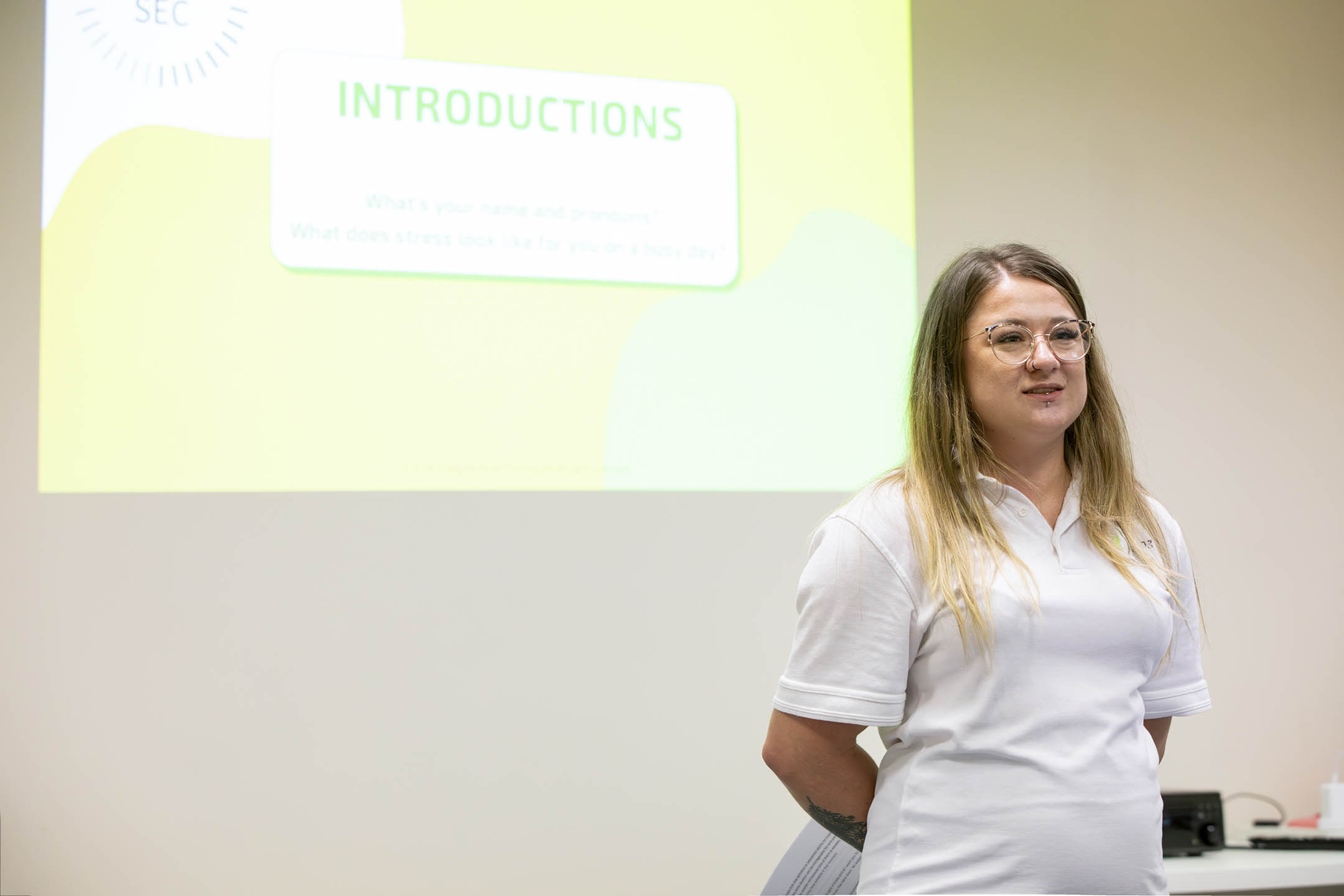
Delivered online or in person, the session is highly interactive, emotionally engaging and carefully structured to help learners feel less alone in moments where they may have stayed quiet before.
What Is Psychological Safety Training?
Psychological safety training helps learners understand what makes people feel able to speak up, ask questions, raise concerns and challenge decisions when something does not feel right.
In clinical and care settings, speaking up is not just about confidence. It can be closely linked to patient safety, team culture, leadership responses and previous experiences. People may stay quiet because they fear judgement, dismissal, conflict, blame or consequences for themselves or others.
This course helps learners explore those moments with honesty and care. It looks at how silence can show up, why it can happen and what can help people feel more able to raise concerns in future.
The aim is not to blame people for staying quiet. Instead, the course gives learners shared language, practical understanding and a four-step framework for creating the conditions where people are more able to speak up.
Who Is This Course For?
Psychological Safety Awareness is for all clinical and care staff, with no prerequisites.
It is suitable for teams where speaking up, raising concerns and sharing information clearly can have a direct impact on safety, care quality and team wellbeing.
This may include:
The course is especially useful for organisations that want to help staff understand that speaking up is not about being naturally confident or outspoken. It is about creating the right conditions, recognising the barriers and giving people practical tools for difficult moments.

What Will Learners Gain From The Course?
By the end of the Psychological Safety Awareness course, learners will have a clearer understanding of psychological safety and how it affects speaking up in clinical and care environments.
Learners will explore how to:
- Understand what psychological safety is
- Recognise why speaking up is a patient safety issue rather than a personality trait
- Notice the moment they decide whether to speak up or stay quiet
- Understand what usually tips that decision
- Use a four-step framework for creating conditions where people speak up
- Raise a concern themselves, even when it feels risky
- Feel less alone if they have stayed quiet before
- Identify what could help them respond differently next time
- Understand where to seek support after raising a concern
This psychological safety training is practical, reflective and supportive. It gives learners space to think about real workplace moments without judgement, while building confidence for future conversations.
The focus is on helping staff understand the pattern, recognise the pressure of the moment and develop a clearer way forward.
The Psychological Safety Awareness course is delivered over three hours.
It can be delivered:
- Online
- In person
The session is highly interactive and emotionally engaging. Learners are guided through discussion, reflection, practical exercises and a structured framework for speaking up.
Because the topic can feel personal, the training is delivered with clear boundaries and care. Learners are supported to engage at a level that feels appropriate, with space to reflect on their own experiences and consider what they might do differently in future.
This format works well for clinical and care teams who want meaningful training that is focused, practical and relevant to the realities of their work.
What does the course cover?
The Psychological Safety Awareness course introduces psychological safety in a clear and practical way, helping learners understand what stops people speaking up and what can make speaking up feel more possible.
Welcome And Framing
The session begins by setting a clear and respectful frame for the training.
Learners are introduced to the purpose of the course, how the session will work and why psychological safety matters in clinical and care settings. This helps create a thoughtful learning space where people can engage with the topic safely and constructively.
What Is Psychological Safety?
Learners explore what psychological safety is and what it is not.
This section helps learners understand psychological safety as something shaped by team culture, responses, relationships and systems, not simply by individual confidence. The focus is on why people may feel able or unable to speak up in real workplace situations.
Recognising The Pattern
The course looks at the moment when someone notices a concern and decides whether to speak up or stay quiet.
Learners explore what usually influences that decision, including previous experiences, perceived risk, hierarchy, fear of consequences, uncertainty or concern about how others may respond.
This helps learners understand that staying quiet is often part of a pattern, not a personal failing.
How Silence Shows Up
Learners explore the different ways silence can appear in clinical and care teams.
This may include not asking a question, not challenging a decision, not raising a concern, not admitting uncertainty or choosing to wait and see. The course helps learners consider how silence can affect patient safety, team learning and staff wellbeing.
A Real Account
The course includes a real account to help learners connect the idea of psychological safety to lived experience.
This supports understanding by showing how speaking up can feel in practice, and how complex the decision can be when people feel risk, pressure or responsibility.
The Speaking-Up Framework
Learners are introduced to a four-step framework for creating the conditions where people speak up.
This gives learners a practical structure for recognising concerns, preparing to speak, choosing how to raise an issue and considering what support may be needed afterwards.
The framework is designed to help staff feel more confident raising concerns, even when it feels uncomfortable or risky.
Personal Reflection And Commitment
Learners are given time to reflect on their own experiences of speaking up or staying quiet.
This part of the course helps learners identify what has influenced them in the past, what they may want to change and what practical commitment they can take forward.
Signposting And Close
The session closes with signposting and support options.
Learners are encouraged to understand where to go for further help, how to look after themselves after raising a concern and how to support a culture where speaking up feels more possible for others too.
What Will Learners Receive?
After completing the Psychological Safety Awareness course, learners receive practical resources to support reflection and continued learning.
Course takeaways include:
- Workbook
- Digital certificate of attendance
These resources are designed to help learners revisit key ideas from the session and continue reflecting on psychological safety, speaking up and practical next steps after the training.
Why Choose Changing Minds Training?
Changing Minds Training creates training for people working in roles where communication, trust and timely action really matter.
In clinical and care settings, speaking up can feel complicated. Staff may know something needs to be said, but still feel the weight of hierarchy, fear, past experiences or uncertainty in the moment. This course helps learners make sense of that experience and understand that silence is often shaped by context, not character.
Led by Founding Director Olivia-Louise Hamilton, Changing Minds Training brings together lived experience, professional clinical expertise and emergency services experience. This gives the session a steady, thoughtful and practical feel, grounded in the realities of care environments.
Our psychological safety training is:
- Practical and reflective
- Designed for clinical and care staff
- Focused on speaking up and patient safety
- Sensitive to hierarchy, pressure and workplace culture
- Clear about the difference between confidence and conditions
- Built around a four-step speaking-up framework
- Delivered with care, structure and respect
The aim is to help staff feel less alone if they have stayed quiet before, and more able to raise a concern next time.

Public And Private Psychological Safety Awareness Training
Public Courses
Public courses may be suitable for individual clinical and care staff, or small groups who want to better understand psychological safety and build confidence around speaking up.
These sessions can be useful for learners who want practical tools they can take back into their role, team or service.
Private Courses
Private courses are delivered for one organisation, either online or in person.
This can be a helpful option if you want clinical and care staff to develop a shared understanding of psychological safety and speaking up. Private delivery allows teams to explore the topic together in a supportive learning space and begin building a more consistent approach to raising concerns.
The Psychological Safety Awareness course is available for groups of up to 20 learners.
Individual Rate
Group Rate
Is this the right course for your team?
Psychological Safety Awareness is a strong option if your clinical or care team needs practical support around speaking up, raising concerns and creating safer conditions for open communication.
This course helps staff understand that speaking up is a patient safety issue, not simply a personality trait. It explores what stops people raising concerns, how silence can show up and what can help people feel more able to act when something does not feel right.
If you want to give your team shared language, practical tools and a clearer framework for speaking up, this course is a helpful place to begin.
If you would like to talk through whether Psychological Safety Awareness is the right level for your team, we’re here to help you compare options.
Enquire About Psychological Safety Training
Ready to bring psychological safety training to your clinical or care team?
Get in touch to ask about public course dates, private delivery or the most suitable training pathway for your organisation.
- Call Us Directly01737 632279
- Send an Emailenquiries@changingmindstraining.com
- Business Hours
Monday – Friday: 9:00 AM – 5:00 PM