Mental Health & Suicide First Responder
Build confidence, clarity and compassion when responding to people experiencing mental health distress or thoughts of suicide.

Mental Health & Suicide First Responder
The Mental Health & Suicide First Responder course is designed for clinical and care teams who may need to support people in moments of distress, emotional overwhelm or increased risk.
This mental health and suicide first response training helps learners feel more prepared to recognise when someone may be struggling, respond with care, hold supportive conversations and connect people with appropriate help. It brings together practical mental health awareness, suicide prevention understanding and first-response confidence in a way that is calm, sensitive and grounded in real situations.
Delivered by Changing Minds Training, this course supports staff to respond with compassion while understanding the importance of boundaries, safeguarding, signposting and looking after their own wellbeing too.
What Is Mental Health & Suicide First Responder Training?
Mental Health & Suicide First Responder training helps learners build the knowledge and confidence to respond when someone may be experiencing poor mental health, emotional distress or thoughts of suicide.
In clinical and care settings, staff may be supporting people through difficult conversations, heightened emotions, uncertainty or moments where risk may be present. This course gives learners a clearer understanding of how to recognise concerns, communicate calmly and take appropriate next steps.
The course does not make learners therapists, counsellors or crisis clinicians. Instead, it focuses on first-response skills that can support safe, compassionate and appropriate action.
Learners are supported to understand what their role is, what it is not and how to respond in a way that is helpful, boundaried and person-centred.
Who Is This Course For?
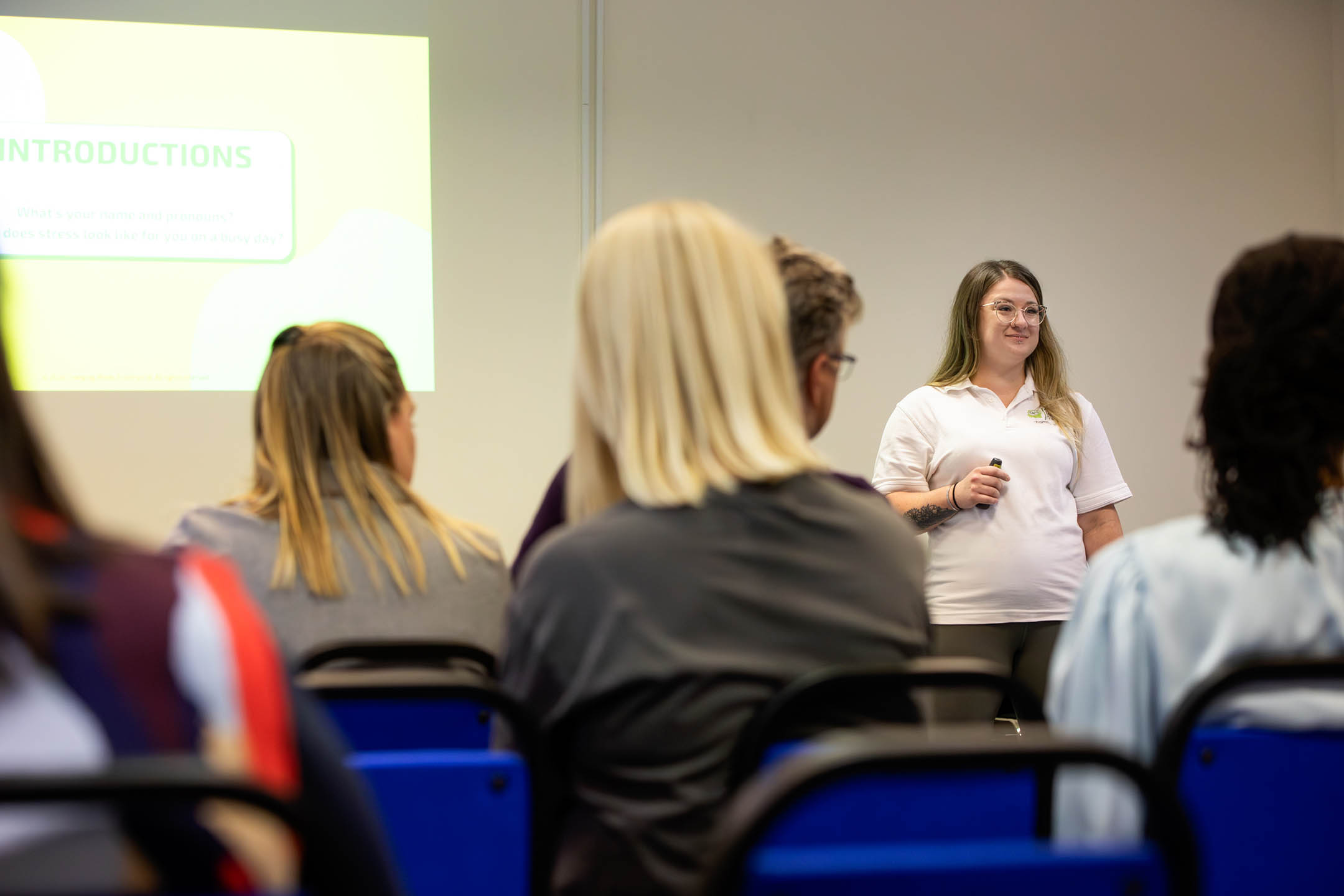
This course is designed for clinical and care teams who may need to respond to mental health distress or suicide-related concerns as part of their role.
It may be suitable for:
The course is especially useful for teams who want a shared approach to responding with confidence and compassion.
It can support staff who may already have experience of difficult conversations, as well as those who feel less confident and want a clearer framework for what to notice, what to say and where to signpost.
What Will Learners Gain From The Course?
By the end of the Mental Health & Suicide First Responder course, learners will have a clearer understanding of how to offer first-response support when someone may be experiencing mental health distress or thoughts of suicide.
Learners will explore how to:
- Recognise signs that someone may be experiencing poor mental health
- Notice changes that may indicate someone needs support
- Respond calmly and compassionately in sensitive situations
- Start supportive conversations with confidence
- Understand how to listen without judgement
- Recognise when suicide may need to be asked about directly and safely
- Support someone towards appropriate help
- Understand the importance of boundaries and role clarity
- Signpost to suitable internal and external support
- Look after their own wellbeing when supporting others
The course is designed to be practical and confidence-building. It helps learners understand that responding well does not mean fixing everything or having all the answers.
Often, the most important starting point is noticing concern, staying calm, listening carefully and knowing how to take the next appropriate step.
The Mental Health & Suicide First Responder course can be shaped for clinical and care teams, depending on the needs of your service, setting and learners.
This can be delivered in either
- Online
- Face-to-face
Training may be suitable for private delivery to one organisation, either face-to-face or online, depending on what works best for your team.
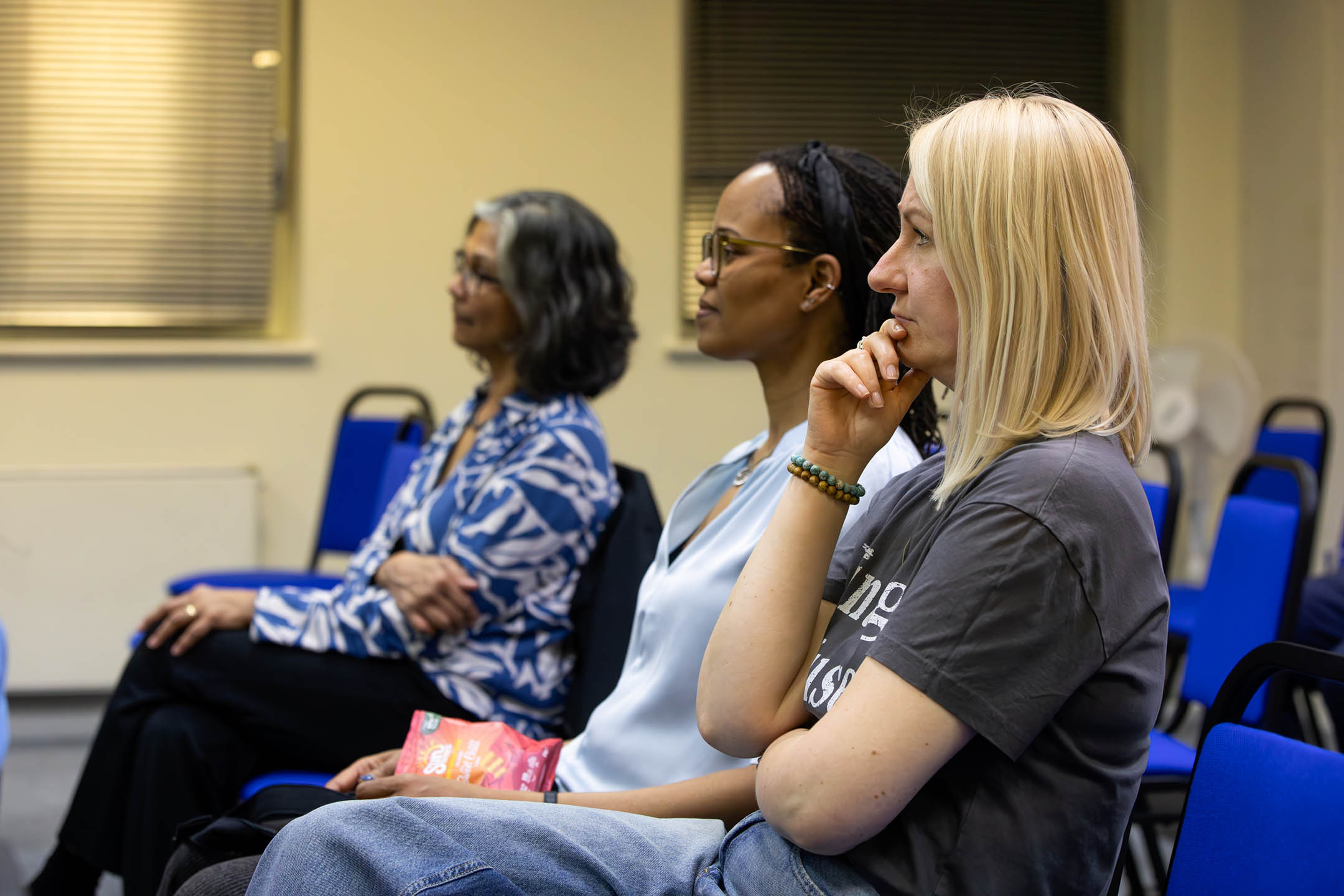
The course is designed to be interactive and reflective, giving learners space to explore practical scenarios, discuss real workplace challenges and build confidence in a supportive environment.
Because this training covers sensitive topics, including suicide prevention, it is delivered with care and respect. Learners are supported to engage with the subject in a way that feels safe, practical and professionally relevant.
What Does The Course Cover?
The Mental Health & Suicide First Responder course is delivered across four sessions, each building practical confidence in recognising distress, responding with care and using the RESCUE framework in real clinical and care settings.
Foundations Of Mental Health First Response
The first session introduces the foundations of mental health first response and explores some of the challenges that can arise when supporting people with mental health presentations.
Learners will look at the wider mental health landscape, common mental health conditions and the importance of responding with empathy, curiosity and care. This session also introduces the RESCUE framework, giving learners a clear structure to begin building confidence in first-response conversations.
The session includes:
- Challenges of mental health presentations
- The mental health landscape
- Common mental health conditions
- The RESCUE framework
- Understanding empathy
- The frame of reference
- Practical techniques
- Applying R and E from the RESCUE framework
Understanding And Responding To Suicidal Crisis
The second session focuses on suicide awareness and response. It gives learners space to reflect on attitudes around suicide, understand contributing factors and consider the local context in which support may be needed.
Learners will explore protective factors, the relationship between self-harm and suicide, and how to approach suicide-related conversations with care. This session also develops the RESCUE framework further, introducing safety assessment, formulation, planning and conversation practice.
The session includes:
- Local context
- Attitudes about suicide
- Contributing factors
- Reframing suicidality
- Protective factors
- Self-harm and suicide
- RESCUE recap
- Introducing S
- Safety assessment, formulation and planning
- Introducing C
- Conversation practice
Balancing Patient Needs And Clinical Responsibility
The third session helps learners think about the balance between compassionate support, patient need and clinical responsibility.
Learners revisit mental health presentations and apply the RESCUE framework to more complex scenarios. The session explores referral pathways, relevant legislation and how to respond in a way that is supportive, boundaried and appropriate to the learner’s role.
The session includes:
- RESCUE recap
- Revisiting mental health presentations
- Introducing U
- Complex scenarios
- Introducing E
- Referral pathways
- Relevant legislation
- Applying RESCUE
Building Sustainable Practice
The final session focuses on sustainable practice and the wellbeing of staff who support people through distress, crisis or emotionally demanding situations.
Learners explore stress, resilience, trauma exposure response and compassion fatigue, with time to consider professional self-care and recovery. The session closes with action planning and reflection, helping learners identify how they can apply the training in their own role or setting.
The session includes:
- Stress and resilience
- Trauma exposure response
- Compassion fatigue
- Professional self-care
- RESCUE recap
- Recovery
- Action planning
- Closing reflections
- Barriers to equitable care
What Will Learners Receive?
Learners will receive a practical, supportive learning experience designed to build confidence in responding to mental health distress and suicide-related concerns.
Specific course materials, certificates or post-course resources can be confirmed at the point of enquiry. If your organisation needs particular takeaways, resources or follow-up support, these can be discussed as part of the booking conversation.
Why Choose Changing Minds Training?
Changing Minds Training delivers mental health, suicide prevention and wellbeing training built around compassion, lived experience and practical skills.
This course has been created for teams who may find themselves supporting people during difficult, emotional or uncertain moments. The training is not about scripts or tick boxes. It is about helping learners understand what is happening, respond with care and feel more confident taking appropriate next steps.
Led by Founding Director Olivia-Louise Hamilton, Changing Minds Training brings a thoughtful, grounded and reassuring approach to sensitive subjects. Learners are given space to ask questions, reflect on real situations and develop skills they can use in their role.
Our training is:
- Practical and confidence-building
- Sensitive around mental health and suicide prevention
- Designed for real conversations
- Clear about boundaries and signposting
- Supportive of staff wellbeing
- Relevant for clinical and care teams
- Focused on calm, compassionate first response
The aim is to help learners feel more prepared when it counts, without placing unrealistic expectations on them.

Public And Private Mental Health & Suicide First Responder Training
Public Courses
If public course places are available, they may be suitable for individuals or small groups who want to build confidence in mental health and suicide first response.
Private Courses
Private training can be delivered for one organisation, shaped around your team, setting and learning needs.
This can be a helpful option if you want staff to develop a shared language, shared confidence and a consistent approach to responding to mental health distress or suicide-related concerns.
Course Fees
Fees for Mental Health & Suicide First Responder training can be confirmed at the point of enquiry.
Because this course may be shaped around your organisation, audience and delivery requirements, please get in touch to discuss the most suitable option for your team.
Is this the right course for your team?
Mental Health & Suicide First Responder training is a strong option if your team may need to support people experiencing mental health distress, emotional overwhelm or thoughts of suicide.
It works well for clinical and care teams who want more confidence in what to notice, what to say and how to respond when someone may need help. The course supports practical first-response skills, while keeping clear boundaries around role, safeguarding, signposting and staff wellbeing.
If you want your team to feel more prepared to respond with compassion, clarity and care, this course is a helpful place to start.
If you would like to talk through whether this is the right level for your team, we’re here to help you compare options.
Enquire About Mental Health & Suicide First Responder Training
Ready to bring mental health and suicide first response training to your clinical or care team?
Get in touch to ask about private delivery, suitable formats or tailored options for your organisation.
- Call Us Directly01737 632279
- Send an Emailenquiries@changingmindstraining.com
- Business Hours
Monday – Friday: 9:00 AM – 5:00 PM